
Moderate wine consumption and cardiovascular diseases
SUMMARY
Key evidence overview
- CVDs are leading cause of morbidity and mortality worldwide and pose a large public health problem.
- Scientific evidence over the last three decades shows that moderate wine intake is linked to a lower risk of coronary heart disease, ischemic stroke and overall cardiovascular mortality, compared with abstention or heavy drinking.
- The relationship between wine (and total alcohol) consumption and CVD follows a J-shaped curve in most studies: lowest risk at light-to-moderate drinking, higher risk with abstention or heavy use.
- Light-to-moderate drinking is also associated with a lower risk of secondary diseases such as type 2 diabetes, kidney disease, etc., especially when consumed as part of Mediterranean Diet. Individual responses vary with genetic background (e.g., alcohol-metabolizing enzymes), comorbidities, and lifestyle habits.
- Both the amount of alcohol and the drinking pattern have an effect on CVD risk: Regular, spread-out, moderate drinking with meals (Mediterranean alcohol drinking pattern) offers the most benefits, whereas binge drinking/heavy episodic consumption increases CVD risk.
Wine consumption in the context of Mediterranean Diet
- The cardioprotective effect of moderate wine consumption is most evident and amplified in the context of a Mediterranean diet (rich in vegetables, olive oil, nuts, and fish) and when consumed with meals.
- Other modifiable lifestyle factors such as not smoking, exercise and having a normal body weight also contribute to a lower CVD risk.
Mechanisms of action
- Effects of alcohol: Moderate consumption of alcoholic beverages, for example, increases HDL cholesterol, reduces fibrinogen, and improves insulin sensitivity. Excessive consumption of alcoholic beverages, however, reverses these effects.
- Bioactive compounds: Red wine contains polyphenols (e.g., resveratrol, flavonoids, proanthocyanidins) that can improve endothelial function, reduce inflammation, and enhance HDL cholesterol. These mechanisms can partly explain the CVD benefits.
Potential risks
- Potential risks of harmful use (particularly with a binge drinking pattern): Increased risk of accidents, high blood pressure, atrial fibrillation, some cancers, liver disease, and alcohol dependence.
- Individuals who are pregnant, underage, driving, have liver disease, a history of alcohol abuse, or taking medications should abstain from alcohol entirely.
It is not recommended to start drinking for CVD prevention. If you already drink wine, limit your intake to “moderate” levels, preferably with meals, spread out throughout the week and avoid binge drinking (consuming large amounts in a short time).
1. Overview
What is CVD? Cardiovascular disease (CVD) is a general term for conditions affecting the heart, brain or blood vessels. It is usually associated with a build-up of fatty deposits inside the arteries (atherosclerosis) and an increased risk of blood clots. It can also be associated with damage to arteries in organs such as the brain, heart, kidneys and eyes. [a]
-
Cardiovascular diseases
Cardiovascular diseases (CVDs) are the leading cause of mortality in Europe (32.7% of total mortality) [b] and worldwide, accounting for 32% of all global deaths in 2022. Of these deaths, 85% were due to heart attack and stroke [c]. Mortality from CVDs is twice as high as mortality from other diseases, such as cancer, infectious diseases, or eating disorders. Moreover, CVD is the primary cause of illness and morbidity.
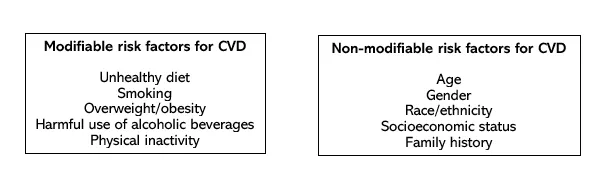
A significant CVD risk factor is excessive consumption of alcoholic beverages, which leads to 3 million deaths per year, due to its harmful use, and causes more than 200 diseases and disorders [1]. However, CVDs are largely preventable by managing modifiable adverse lifestyle behaviours such as an unhealthy diet, overweight/obesity, smoking, harmful use of alcoholic beverages or a sedentary lifestyle. The best way to prevent it is to lead a healthy lifestyle, which can include moderate wine consumption.
-
The French Paradox
Ever since Renaud and de Lorgeril [2] first coined the term “French Paradox” in 1992, red wine intake has been investigated in scientific research and has been associated with a lower risk for CVD. The “French Paradox” describes the epidemiological observation that the French population exhibited relatively low rates of CVD and coronary heart disease (CHD) mortality despite consuming a diet high in saturated fats—a dietary pattern that was then thought to predict higher CVD risk.
The researchers attributed the cardioprotective effects of this phenomenon to the regular consumption of red wine with the meals. Although Renaud and de Lorgeril strengthened their association between wine consumption and CHD by controlling for dairy fat intake [3], other authors have argued that there were characteristics and confounding variables not controlled for in their analysis (drinking patterns, lifestyle characteristics, dietary intake, human behaviour) which may have led to such a correlation (see point 6.3) [4].
2. Wine consumption and CVD
Since the early discussion of the French Paradox, the association between moderate wine consumption and CVD risk has been extensively studied via countless prospective observational studies, systematic reviews and meta-analyses on morbidity and mortality as well as randomized controlled trials on CVD risk factors. The beneficial effects of wine on cardiovascular risk factors, are well supported when compared with both abstention and heavy drinking, [5-10], especially in men > 50 years and women > 55 years. Moderate wine intake is associated with a reduced risk of coronary heart disease (CHD), total cardiovascular events, and cardiovascular mortality [1, 11].
The Greek EPIC study reported that none of the other 9 items used to define the Mediterranean Diet (Med Diet) exerted as strong a benefit on all-cause mortality as the moderate intake of alcoholic beverages. In this study, alcohol intake came mainly from wine consumed during meals and the removal of wine/alcohol from the definition of the traditional Med Diet represented a substantial loss of its effectiveness in preventing premature mortality [12]. Several other studies have found specific benefits of wine regarding life expectancy and CVD prevention [11, 13-20]. Relative risk reductions commonly range between 15% and 30%, indicating a meaningful public health impact [11, 21]. However, these benefits diminish and eventually reverse at higher consumption levels, where risk of adverse health outcomes increases. Consistently, such a J-shaped curve for wine consumption and cardiovascular risk – with maximum protection at moderate intake levels (roughly 20–30 grams of alcohol daily, equivalent to about 1–3 glasses of wine) – has been found, supporting Renaud’s observations of the so-called French Paradox [22-25].
The most current evidence about the association between the consumption of alcoholic beverages and cardiovascular disease is summarized in the 2024 National Academies of Sciences, Engineering, and Medicine (NASEM) report [26]. Moderate drinkers showed a 15-25% lower risk for heart attack and ischemic stroke compared to abstainers and a 20% lower cardiovascular mortality risk and a 16% decreased total mortality. It was highlighted, however, that heavy and binge drinking negate these benefits and substantially increase overall cardiovascular risk. The report concluded that moderate alcohol consumption is associated with a lower risk of several cardiovascular outcomes compared to never drinking.
Similarly, the American Heart Association (AHA) noted that light to moderate consumption of alcoholic beverages (max. 1 to 2 drinks/day, 1 drink containing 14 g of alcohol) either poses no risk to the heart and blood vessels or is associated with reduced risks of coronary heart disease, sudden cardiac death, ischemic stroke and possibly also heart failure [27].
3. Moderate wine consumption in the context of the Mediterranean Diet and healthy lifestyle and CVD risk
Considering that CVDs are the leading cause of death worldwide and a major public health burden [28], modifiable lifestyle changes (smoking cessation, increased physical activity, losing weight, adopting a healthy dietary pattern) are high priorities for the prevention and promotion of cardiovascular health. Of all the existing dietary patterns, the Med Diet is the most intensely assessed and the one with the strongest and most comprehensive evidence of its beneficial effects on cardiovascular health [29].
The PREDIMEDThe PREDIMED study is one of the few randomized controlled trials about the Mediterranean Diet. More... landmark study remains to date the best available evidence on diet in CVD prevention [30-32]. In addition to randomized controlled trials such as PREDIMEDThe PREDIMED study is one of the few randomized controlled trials about the Mediterranean Diet. More..., many other well-conducted and large prospective studies provide strong evidence and support the use of the Med Diet as a healthy eating pattern for cardiovascular prevention and its beneficial effects [33-39]. A recent study analysed the link between moderate wine consumption, adherence to the Med Diet and the risk of cardiovascular disease in two large Spanish study groups: the PREDIMEDThe PREDIMED study is one of the few randomized controlled trials about the Mediterranean Diet. More... and the SUN project [40]. They observed that a greater adherence to the Med Diet was related to a lower cardiovascular risk and a lower risk of dying from any cause (total mortality risk)., They noted that these associations were more pronounced when the diet included moderate wine consumption. In particular, the results showed that adherence to the Med diet which included moderate wine consumption was associated with a more marked reduction in cardiovascular risk than when the dietary pattern was analysed without taking this beverage into account. Similarly, the combined analysis of both study groups found a significant association between moderate wine consumption within the Mediterranean eating pattern and lower overall mortality. The authors emphasized, however, that these favourable effects were not observed with high consumption of 3-4 glasses of wine per day or more. This association was not observed in individuals NOT following a Med Diet. A characteristic of the Med Diet is the regular consumption of moderate amounts of wine during meals [41]. Low-to-moderate consumption of (red) wine with meals and mainly virgin olive oil as the main fat source have been reported to prevent cardiometabolic diseases, including CVD, type-2 diabetes, metabolic syndrome, and obesity. Current mechanisms underlying the beneficial effects of the Med Diet include a reduction in inflammatory and oxidative stress markers, improvements in lipid profile, insulin sensitivity and endothelial function, as well as anti-atherosclerotic and anti-thrombotic properties, mainly attributable to their polyphenol content [42, 43].
-
Mediterranean alcohol drinking pattern
Drinking pattern has been consistently reported to modify the effect of alcohol on CVD and mortality [6-9, 44, 45]. Large studies have concluded that “healthy” patterns of moderate drinking reduce CVD, diabetes, and all-cause mortality, particularly in participants 50 to 70 years old [9, 44, 46, 47]. Thus, some benefits of the Mediterranean-diet-related wine consumption may be associated with the pattern of consumption rather than simply the quantity of alcohol consumed.
The Mediterranean alcohol-drinking pattern implies
- a moderate wine intake with meals
- spread throughout the week,
- alcohol consumption mainly in the form of red wine
- avoidance of binge drinking [48].
It represents the best way to decrease potential toxic effects of ethanol and simultaneously increases the antioxidant/detoxifying defences thanks to the synergic effect of a wide range of bioactive components able to modulate the body’s defences and protect against chronic/degenerative diseases [49].
-
Type of beverage – wine is more than just an alcoholic beverage
The beneficial effect of moderate drinking on CVD and improved CVD biomarkers has been shown [50, 51] across different types of alcoholic beverages [52]. The moderate consumption of alcoholic beverages lowers the thrombosis risk and fibrinogen levels and induces collagen and platelet aggregation [53].
Wine seems to have a stronger beneficial effect on CVD than other alcoholic beverages, according to the current evidence available [75]. Findings from clinical trials suggest that resveratrol and other polyphenols found in wine may confer additional cardiovascular benefits beyond those from alcohol [11, 54-57]. The inverse association of wine consumption with CVD has been described for red and white wine; the differences in the strength of this association could be due to the different amounts of polyphenols [1, 58, 59], which are believed to be responsible for some of the health effects of moderate drinking. The phenolic compounds in wine reduce LDL oxidation, thrombosis risk as well as plasma and lipid peroxide [53].
Furthermore, it has been demonstrated that red wine polyphenols can regulate inflammation, reducing the risk of related diseases [21]. Di Renzo et al. [60] highlighted the effects of the combined intake of wine with different meals. Notably, they found that the oxidized “bad” low density lipoprotein (LDL) cholesterol levels significantly decreased after a Mediterranean Meal as well as after a McDonald’s Meal when combined with 260 ml of red wine compared to a McDonald’s Meal without wine. Specifically, the Mediterranean Meal with red wine showed the best results in reducing oxidized LDL and improving gene expressions related to antioxidants, indicating that the antioxidant potential of the bioactive compounds found in red wine and the Mediterranean diet may be an essential component of a holistic approach to combatting LDL oxidation (a factor contributing to clogged arteries). Combining red wine with a Mediterranean diet may help prevent chronic diseases linked to inflammation and oxidative stress.
The polyphenols’ health effects do not only depend on the amount consumed but mainly on their bioavailability. Compared to other alcoholic drinks, these beneficial characteristics give red wine added value [61] but lifestyle factors can also play a significant role in the wine-drinking population [22, 55-57]. There is no agreement among scientists as to whether these beneficial effects are attributable to the presence of ethanol or polyphenols in red wine. However, all of the preceding investigations indicate that polyphenols are to a greater extent responsible for these qualities.
-
Individuals with health conditions for an increased risk of CVD
Studies among individuals with health conditions that are independently associated with CVD, such as diabetes, metabolic syndrome (MetS), and hypertension, have indicated that light-to-moderate wine/alcohol consumption is related to improved CVD outcomes (a lower risk of progression to CVD or premature death compared with abstainers or heavy drinkers).
Diabetes
Diabetes mellitus, commonly known as diabetes, is an umbrella term for various metabolic disorders. The main characteristic is a persistently elevated blood sugar level. The cause is impaired absorption of sugar from the blood into the body’s cells. To use the sugar obtained from food as an energy source for the body’s cells, the body requires the hormone insulin. In individuals with diabetes, the effectiveness of insulin is reduced and/or the pancreas produces too little or no insulin at all. As a consequence, sugar remains in the blood, and the blood sugar level rises [d].
Besides CVDs as leading cause of deaths, the prevalence of mainly type 2 diabetes mellitus has reached an epidemic level of 589 million individuals worldwide [e] and has become a public health challenge for many countries. Long-term complications of type 2 diabetes include an increased risk of CVD. Data from epidemiological studies suggest that diabetes is an important risk factor for CVD. In fact, a meta-analysis of 97 prospective studies revealed that individuals with diabetes had approximately a two-fold higher risk of coronary heart disease (CHD), stroke and vascular death, than their counterparts without the disease [38].
Findings from the PREDIMEDThe PREDIMED study is one of the few randomized controlled trials about the Mediterranean Diet. More... trial demonstrated that a Mediterranean-style eating pattern could significantly reduce the CVD incidence among individuals with and without diabetes [30]. A recent systematic review and meta-analysis obtained similar results and showed that the Med Diet (including moderate wine consumption with the meals) played a beneficial role in reducing the risk of developing and dying from various CVD outcomes, including individuals with diabetes [38]. Similarly, a meta-analysis of studies examining patients with type 2 diabetes found that consumption of alcoholic beverages up to 18 g per day was associated with reduced CHD incidence and all-cause mortality risk [62].
Metabolic Syndrome (MetS)
Metabolic syndromeMetabolic syndrome is a cluster of abnormalities including increased abdominal fat poor ability to u... (MetS) is a group of conditions—large waistline, high blood pressure, high blood sugar, high triglycerides, and low “good” HDL cholesterol—that together can significantly increase the risk for heart disease, stroke, and type 2 diabetes[f].
Among individuals with MetS, a meta-analysis has shown that adherence to a Mediterranean-type diet that typically included “moderate daily wine/alcohol consumption” was associated with lower prevalence of MetS, progression of MetS, and several measures of individual MetS components [63, 64]. In an elderly Mediterranean population with a high cardiovascular risk, moderate red wine consumption was associated with a lower prevalence of the MetS, whereas a recent meta analysis [65] revealed significant positive effects of wine consumption on systolic blood pressure and on insulin exclusively, with no effects of wine consumption on glucose, diastolic blood pressure, or body mass index. Thus, it is important to consider the beneficial effects of diets such as the Mediterranean diet as an intervention on these parameters.
Hypertension
Hypertension, or high blood pressure, refers to the consistently too high force of blood pushing against the artery walls, making the heart work harder and damaging blood vessels over time [g]. An increased risk for heart attacks, strokes, etc is the consequence and individuals with hypertension are usually advised to refrain from the consumption of alcohol beverages.
Wine and hypertension
Meta-analyses and recent systematic reviews indicate that wine consumption, like other alcoholic beverages, generally raises blood pressure in a dose-dependent manner when intake exceeds moderate levels. However, moderate wine consumption—particularly as part of the Mediterranean diet and consumed with meals—does not appear to significantly affect blood pressure in most healthy adults and may have lesser effects compared to beer or spirits at equivalent alcohol doses [21, 66-68]. While moderate daily wine consumption with meals may be neutral for blood pressure in healthy adults, larger intakes promote hypertension similarly to other forms of alcohol.
A recent Greek intervention study (involving 71 men with CHD) [69], showed that life expectancy improved in patients with high blood pressure who consumed one glass of red wine per day. In cases of existing coronary heart disease, moderate wine consumption can also have a beneficial effect on blood clotting and thrombosis markers. In addition, a meta-analysis of studies examining CVD outcomes among patients with hypertension found that low-to moderate consumption of alcoholic beverages (median consumption less than 30 g per day) was associated with a significantly reduced risk of CVD and all-cause mortality compared with abstaining or occasional drinking [70].
Results from meta-analyses further suggested that the Med Diet is an effective dietary strategy to reduce blood pressure and to decrease risk of hypertension, which may contribute towards the lower CVD risk reported with this dietary pattern [71-73].
Individual genetic differences in alcohol metabolism may modify the effect of alcohol on CVD risk. For example, men with slow alcohol metabolism appear to have a lower risk of CHD than those with fast alcohol metabolism at moderate drinking levels [67], potentially through cardiometabolic risk factors such as glycaemic (blood sugar) control [74] or an improved lipid profile [75].
Besides the quantity of alcohol consumed, the drinking pattern- that is frequency and distribution over the week- are also important. Marques-Vidal et al. [76] found that, regardless of the quantity, a regular drinking pattern was associated with maintained values of blood pressure while an irregular drinking pattern, with excessive consumption days, was associated with blood pressure peaks that may have negative cardiovascular consequences. Similarly. among drinkers, a high adherence to the Mediterranean Alcohol Drinking Pattern was inversely associated with the incidence of high blood pressure [77]
Alcoholic beverages in general
Looking at the association between alcoholic beverages in general and hypertension, a meta-analysis of controlled trials [78] found a linear relationship above a threshold of two drinks per day. For those drinking below this threshold, reducing alcohol intake did not appear to be associated with a decrease in blood pressure, which suggests that lower levels do not increase blood pressure.
Studies have found gender-specific differences in the relationship between alcoholic beverages and hypertension. For men, there is evidence of a linear association between alcohol consumption and risk above 30 grams of pure alcohol per day compared to abstainers, while for women the relationship does not appear to be linear [79, 80]. An updated and expanded meta-analysis [81] confirmed the differences between men and women: even at a low consumption of alcoholic beverages, the risk of hypertension increased linearly among men, but for women, the risk did not increase until >10 g/d consumption. Furthermore, this meta-analysis demonstrated that the risk of hypertension differed by type of alcoholic beverage with no increased risk for low to moderate wine consumption (up to 15 g of alcohol/d). The findings also revealed that the risk of hypertension may differ by races: at the same intake of alcoholic beverages, black individuals showed a higher risk than white and Asian individuals.
It should be noted that as far as CVD prevention is concerned, abstainers should not start drinking alcohol to reduce their CVD risk.
4. Biological mechanisms
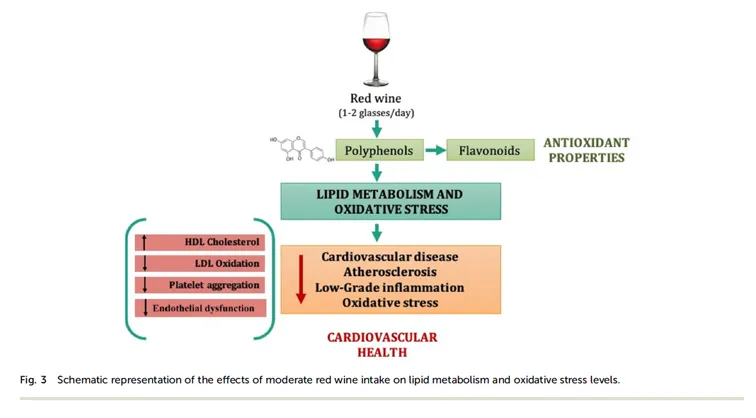
Alcohol exhibits a bi-phasic physiological behaviour – as reflected by the J-shaped relationship. Such association results in either increased or decreased cardiovascular risk depending on the amount consumed, drinking frequency, pattern of consumption (irregular or heavy/binge drinking), and the health outcome under study [82, 83], as well as the type of alcoholic beverage consumed [84, 85]. Various biochemical mechanisms are involved in the cardioprotective effect of moderate red wine consumption [86]. These include anti-inflammatory [87] and antioxidant properties, increases in HDL cholesterol, reduction of oxidized LDL cholesterol, improvements in endothelial function, enhanced insulin sensitivity, reduced platelet aggregation, changes in metabolic pathways and plasma metabolites [88] and modulation of the gut microbiome [5]. Some of these effects may be attributed to the ethanol content, while many others are attributed to various (poly)phenolic compounds mainly present in wine [11, 89].
-
Alcohol
The effect of alcohol on cardiovascular conditions appears to beneficially influence lipid profiles by increasing the “good” high-density lipoprotein (HDL) cholesterol and reducing the “bad” low-density lipoprotein LDL cholesterol. Alcohol also lowers the blood viscosity by inhibiting blood platelets (thrombocytes) and reduces fibrinogen levels, thereby modulating coagulation and insulin sensitivity [90].
Several biomarkers have been examined in experimental research studies and in recent meta-analyses of such studies [50, 91, 92]. The findings have demonstrated that moderate consumption of alcoholic beverages, compared with a no-alcohol control group, was associated with:
- Higher levels of high-density lipoprotein cholesterol (HDL) or “good” cholesterol [50, 91]
- Higher levels of apolipoprotein A1 [91]
- Higher levels of adiponectin [50, 91]
- Lower levels of low-density lipoprotein cholesterol (LDL) or “bad” cholesterol [91]
- Reduced fibrinogen levels [50, 75, 91]
- Reduced interleukin 6 [91]
- Decreased fasting insulin (an indicator of insulin sensitivity in healthy individuals) among both men and women and improved insulin sensitivity among women [92]
-
PolyphenolsPolyphenols are mainly phytochemicals found abundantly in natural plant food sources. The most impor...
Besides alcohol, wine – specifically red wine – contains high amounts of bioactive compounds. The compounds demonstrate antioxidant, anti-inflammatory, and endothelial function-enhancing properties that may partially explain its cardiovascular benefits [84-86, 93, 94]. The polyphenols resveratrol, flavonoids, and proanthocyanidins keep the endothelium (inner wall of blood vessels) intact. Furthermore, they can act as antioxidants, i.e. as radical scavengers, which counteract dangerous free radicals and prevent damage to and within the cells. Some of these polyphenols are found primarily in red wine, others in white wine. They are localised in the skins of grapes (pigments and tannins).
These mechanisms work synergistically with dietary factors typical of the Mediterranean diet to potentiate cardioprotective effects.
5. Possible risks associated with harmful use of alcoholic beverages
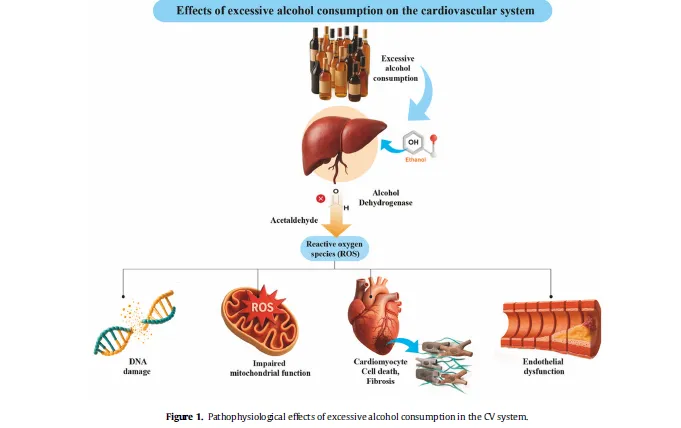
For some cardiovascular conditions, risk increases with increasing consumption of alcoholic beverages and a significant increase in risk is associated with heavy drinking. Studies reporting a linear association describe the relationship between harmful drinking and risk for the following conditions:
-
Hemorrhagic stroke
A linear relationship between drinking levels and haemorrhagic stroke has been described in a meta-analysis finding increased risk for heavier drinkers but no association with light or moderate drinking [96]. These results are consistent with another meta-analysis that found evidence of a similar dose–response relationship for haemorrhagic stroke mortality for both men and women [97].
-
Atrial fibrillation (abnormal cardiac rhythm)
Alcohol consumption, particularly during binge drinking episodes, can influence the development and progression of atrial fibrillation (AF), where the heart beats irregularly and often faster instead of in a steady, regular rhythm. It mainly affects the two upper chambers of the heart (the atria), which start to “quiver” rather than squeeze properly to push blood through the body [98].
Whereas some meta-analyses [99-102] have consistently reported a linear association between the consumption of alcoholic beverages and AF, two of them showed an increased risk starting at one to two drinks per day compared with no drinking [100, 102]. A recent meta-analysis demonstrated that a moderate alcohol consumption pattern may yield a protective effect against AF showing a J-shaped curve of the association between consumption of alcoholic beverages and the risk for AF [103]. Individuals consuming up to two drinks per day were at significantly lower risk compared to heavy drinkers.
Gender-specific differences have been observed for moderate drinkers (one to two drinks per day) where men had an increase in risk, but women did not [99]. An updated meta-analysis showed a linear relationship between AF risk and alcohol consumption in men, while a potential non-linear J-shaped relationship was found in women [104].
In a high cardiovascular risk adult population, a Mediterranean alcohol consumption pattern (low to moderate red wine consumption) was not associated with an increased incidence of AF [105]. Thus, the association between low consumption of alcoholic beverages (less than one drink per day) and AF is less clear, which makes it difficult to determine whether the relationship is truly linear or curvilinear. The American Heart Association states that the risk associated with consuming 1 to 2 drinks a day on atrial fibrillation remains unknown [27].
-
Cardiomyopathy
Alcoholic cardiomyopathy is a heart disease caused by chronic heavy drinking, where alcohol and its metabolites gradually weaken and enlarge the heart muscle. The heart tissues stretch, the walls become thinner and the heart has to work harder to pump blood properly through the body. Over time, this can lead to heart failure.
Although there are limited and conflicting data on factors that may contribute to alcoholic cardiomyopathy, evidence indicates that chronic heavy drinking over several years can be a risk factor [106-108]. Light and moderate drinking has not been associated with either increased or reduced risk of cardiomyopathy [27, 109].
-
Hypertension
Heavy alcohol intake increases the risk of hypertension, but the relationship between light to moderate consumption of wine/alcoholic beverages and hypertension remains controversial (see 3.3.3.1.). According to the available evidence, drinking patterns and context of drinking need to be considered and a distinction needs to be made between men and women, different races and different alcoholic beverages [81].
6. Methodological challenges
The relationship between moderate wine and alcohol consumption and cardiovascular health has already been studied for the last three decades; the evidence comes mostly from numerous observational studies [110] from which, however, no causal relationships can be drawn but only correlations. The study design and methodology are not perfect and the impact of these limitations on the interpretation of such research, has been discussed intensively. Several issues could potentially bias study results by producing erroneous findings and thus leading to incorrect conclusions about the effects of moderate drinking on cardiovascular health.
-
Sick quitterSick quitters are abstainers who quit drinking alcoholic beverages because of health problems result...
The way in which drinkers and non-drinkers are classified in studies may have an impact on observed outcomes for CVD.
The “sick quitter” hypothesis was first described in 1988 and postulates that many former drinkers have stopped drinking for health reasons [111]. If these individuals are classified as non-drinkers in the same group as lifetime abstainers, then any existing poor health conditions may make it appear that abstainers are at higher risk of CVD than moderate drinkers. Some studies have claimed that this bias applies to all studies combining lifetime abstainers and occasional and former drinkers [112, 113]. Recent studies have accounted for this potential source of bias by separating former drinkers from lifetime abstainers or testing whether there are differences in risk between these two groups before combining them into a single non-drinker category [96, 114-117].
-
Definition of wine/alcohol consumption
There is little consistency in the definitions used across research studies for what constitutes light, moderate, and heavy consumption of wine/alcoholic beverages. Definitions may be based on different levels set for average daily or weekly volume, average frequency of wine/alcohol consumption, or a combination. This lack of consensus on what constitutes moderate or heavy drinking can diminish comparability across different studies and may make it difficult to combine them into a pooled analysis.
Furthermore, most studies report average consumption of alcoholic beverages, not the drinking patterns. Thus, the same average weekly amount can be spread throughout the week or consumed only at the weekend, which has a different impact on the CVD risk.
-
Self-reported drinking
Self-reported consumption data of alcoholic beverages may underestimate the actual intake because participants cannot accurately remember past intakes. Also, the desire to provide a more favourable response may be relevant for surveys asking questions about sensitive information, such as consumption of alcoholic beverages. If respondents have underreported their consumption, then the cardiovascular benefits or risks associated with light or moderate drinking may actually apply to higher average quantities of alcohol than assumed.
An important step forward in understanding the complex relationship between wine consumption and cardiovascular health was achieved recently with the identification of an objective and reliable biomarker for wine consumption – tartaric acid – in the PREDIMEDThe PREDIMED study is one of the few randomized controlled trials about the Mediterranean Diet. More... study (an ongoing randomized controlled trial) [30]. Instead of relying on the self-reported wine consumption of the study participants, an independent parameter can be used to assess wine consumption. The researchers found that light-to-moderate wine consumption, defined as up to one glass of wine per day, reduced the risk of developing a cardiovascular event by 50% in this group of individuals at high risk of cardiovascular disease who were following a Mediterranean diet. Light drinking reduced cardiovascular risk by 38% [89].
-
Confounding factorsConfounding factors is a possible source of bias interfering with the variable that you would like...
Other healthy behaviours that coincide with moderate drinking, may explain the observed reduced risk for CVD among moderate drinkers. This potential source of error is sometimes referred to as confounding factor.
Many factors may be associated with both drinking behaviour and CVD outcomes and should be accounted for in a study’s design or in the data analysis as much as possible.
These include: individual factors, such as gender, race and ethnicity; genetic and physiological factors; behavioural factors, such as smoking, diet, and physical activity; social and economic factors; and existing health conditions.
Because epidemiological studies are unable to control for all potential confounders, the possibility that the results could be explained by confounding cannot be excluded, and the results of observational studies should be interpreted with some caution. It is not possible to infer a cause-and-effect relationship from these studies.
The question of whether or not moderate drinking is simply an indicator of an overall healthy lifestyle is particularly relevant to the discussion of moderate drinking, CVD risk, and potential confounding. Moderate consumption of wine/alcoholic beverages has been shown to coincide with other healthy lifestyle behaviours such as maintaining a healthy body weight, regular exercise, and sufficient sleep [118] or healthy diet [119]. Research has revealed that individuals adopting multiple healthy behaviours have significantly lower risk of death from all causes and CVD [119-121].
Healthy behaviours are also linked with socioeconomic status, and individual socioeconomic factors are independently associated with CVD and all-cause mortality risk [122].
For these reasons, some researchers have hypothesized that moderate drinking is simply an indicator of other healthy behaviours unrelated to alcohol [112]. Some studies attempt to isolate the effects of moderate drinking from other lifestyle behaviours and have found that the J-shaped curve still holds [123-125].
7. Summary of the evidence
CVDs are the leading cause of death and disability worldwide, which could be prevented by lifestyle changes such as smoking cessation, having a normal body weight, physical exercise, avoiding the excessive consumption of alcoholic beverages and a healthy diet. A large, strong, plausible, and consistent scientific evidence is currently available to support the benefits of the Med Diet including moderate wine consumption on cardiovascular health,
Scientific data of the last 30 years show that moderate wine consumption, especially with meals in the Mediterranean dietary pattern and a healthy lifestyle—is associated with reduced risk of cardiovascular events and mortality. The drinking pattern critically shapes the cardiovascular effects of alcohol, including wine. Evidence consistently affirms that regular, moderate consumption—spread throughout the week, with typically one glass of wine per day for women and two for men (containing between 10-30 g of alcohol) —is associated with the most favourable cardiovascular profile. This pattern contrasts sharply with episodic heavy or binge drinking, which greatly increases cardiovascular risk, including myocardial infarction, stroke, sudden cardiac death, and atrial fibrillation, independently of total alcohol volume. Individual risks should always be considered.
The mechanisms proposed to explain this inverse association with moderate intake of wine/alcoholic beverages include stable improvements in blood lipid levels, endothelial function, inflammation markers, and enhanced insulin sensitivity. Thus, the acute toxic effects seen after binge episodes, such as spikes in blood pressure, cardiac arrhythmias, and oxidative stress can be avoided. Several meta-analyses and the 2025 AHA scientific statement underscore that binge drinking negates wine’s cardioprotective potential and increases overall CVD risk, reinforcing the importance of drinking pattern alongside quantity.
Even though well-conducted prospective studies have consistently shown that light-to-moderate wine intake is associated with reduced all-cause mortality and CVD incidence, consumption of alcoholic beverages remains a controversial issue in the traditional Med Diet.
- On the one hand, complete abstention is promoted as the healthiest option for individuals above 50 years of age, affirming that ‘‘there is no safe level of alcohol intake’’ for anybody [126].
- On the other hand, a reduced CVD risk has been observed, especially when the individuals show some cardiovascular risk factors, or any disease or condition associated with a higher risk of ischemic CVD, as the last Global Burden of Disease (GBD) study established in its 2022 report [127], which corrected the “no safe level” assessment of the 2018 GBD [128]. The GBD did not assess the drinking pattern, but only absolute amounts of ethanol intake.
- Furthermore, the methodology, limitations of study design and the impact of these limitations on the interpretation of alcohol research has been scientifically debated (see 6).
Thus, a large randomized controlled trial (RCT) of realistic advice aimed to change behaviour is long overdue. RCTs are considered the gold standard for evaluating the direct health effects and establishing causal relationships between the consumption of wine/alcoholic beverages and CVD.
The UNATI (University of Navarra Alumni Trialist Initiative) trial intends to provide for the first time an evidence-based answer to a question of the utmost interest in clinical medicine, given the high prevalence of moderate wine/alcohol intake, and the current situation with opposing views in the scientific community on the most sensible advice for moderate drinkers.
The more than 10,000 participants (men 50-70 years or women 55-75 years consuming ≥3 but <40 drinks/wk and following the traditional Mediterranean Alcohol Drinking Pattern) will be randomized in 2 groups: abstention and moderate consumption (≤7 drinks/wk in women and ≤14 drinks/wk in men). The study will assess the health effects of wine/alcohol and compare abstention vs. moderate wine drinking on health outcomes such as cardiovascular disease, diabetes, cancer, etc. First results are expected in 2028.
8. References
- Luceron-Lucas-Torres, M., et al., Association between Wine Consumption with Cardiovascular Disease and Cardiovascular Mortality: A Systematic Review and Meta-Analysis. Nutrients, 2023. 15(12).
- Renaud, S. and M. de Lorgeril, Wine, alcohol, platelets, and the French paradox for coronary heart disease. Lancet, 1992. 339(8808): p. 1523–1526.
- Gurr, M.I., Wine and coronary heart disease. Lancet, 1992. 340(8814): p. 313.
- Rimm, E.B., et al., Review of moderate alcohol consumption and reduced risk of coronary heart disease: is the effect due to beer, wine, or spirits. Bmj, 1996. 312(7033): p. 731–6.
- Li, X., et al., Moderate alcohol consumption, types of beverages and drinking pattern with cardiometabolic biomarkers in three cohorts of US men and women. Eur J Epidemiol, 2023.
- Gea, A., et al., Mediterranean alcohol-drinking pattern and mortality in the SUN (Seguimiento Universidad de Navarra) Project: a prospective cohort study. Br. J. Nutr, 2014. 111(10): p. 1871–1880.
- Barberia-Latasa, M., A. Gea, and M.A. Martinez-Gonzalez, Alcohol, Drinking Pattern, and Chronic Disease. Nutrients, 2022. 14(9).
- Barberia-Latasa, M., et al., Mediterranean Alcohol-Drinking Patterns and All-Cause Mortality in Women More Than 55 Years Old and Men More Than 50 Years Old in the “Seguimiento Universidad de Navarra” (SUN) Cohort. Nutrients, 2022. 14(24).
- Jani, B.D., et al., Association between patterns of alcohol consumption (beverage type, frequency and consumption with food) and risk of adverse health outcomes: a prospective cohort study. BMC Med, 2021. 19(1): p. 8.
- Estruch, R. and R.M. Lamuela-Raventos, Wine, alcohol, polyphenols and cardiovascular disease, in Nutrition and Aging. 2014. p. 101–109.
- Haseeb, S., B. Alexander, and A. Baranchuk, Wine and Cardiovascular Health: A Comprehensive Review. Circulation, 2017. 136(15): p. 1434–1448.
- Trichopoulou, A., C. Bamia, and D. Trichopoulos, Anatomy of health effects of Mediterranean diet: Greek EPIC prospective cohort study. BMJ, 2009. 338: p. b2337.
- Pavlidou, E., et al., Wine: An Aspiring Agent in Promoting Longevity and Preventing Chronic Diseases. Diseases, 2018. 6(3).
- Lippi, G., et al., Moderate red wine consumption and cardiovascular disease risk: beyond the “French paradox”. Semin. Thromb. Hemost, 2010. 36(1): p. 59–70.
- Fragopoulou, E. and S. Antonopoulou, The French paradox three decades later: Role of inflammation and thrombosis. Clin Chim Acta, 2020. 510: p. 160–169.
- Gronbaek, M., et al., Type of Alcohol Consumed and Mortality from All Causes, Coronary Heart Disease, and Cancer. Ann. Intern. Med, 2000. 133(6): p. 411–419.
- de Gaetano, G. and C. Cerletti, Wine and cardiovascular disease. Nutr Metab Cardiovasc Dis, 2001. 11(4 Suppl): p. 47–50.
- Fernandez-Jarne, E., et al., Type of alcoholic beverage and first acute myocaral infardction: a case-control study in a Mediterranean country. Clin. Cardiol, 2003. 26(7): p. 313–318.
- Streppel, M.T., et al., Long-term wine consumption is related tocardiovascular mortality and life expectancyindependently of moderate alcohol intake: theZutphen Study. J. Epidemiol. Community Health, 2009.
- Arranz, S., et al., Wine, beer, alcohol and polyphenols on cardiovascular disease and cancer. Nutrients, 2012. 4(7): p. 759–781.
- Minzer, S., R. Estruch, and R. Casas, Wine Intake in the Framework of a Mediterranean Diet and Chronic Non-Communicable Diseases: A Short Literature Review of the Last 5 Years. Molecules, 2020. 25(21).
- O’Keefe, E.L., et al., Alcohol and CV Health: Jekyll and Hyde J-Curves. Prog Cardiovasc Dis, 2018. 61(1): p. 68–75.
- Fernández-Solà, J., Cardiovascular risks and benefits of moderate and heavy alcohol consumption. Nat Rev Cardiol, 2015. 12(10): p. 576–87.
- Kalla, A. and V.M. Figueredo, Alcohol and cardiovascular disease in the geriatric population. Clin. Cardiol, 2017.
- Padro, T., et al., Moderate Beer Intake and Cardiovascular Health in Overweight Individuals. Nutrients, 2018. 10(9).
- NASEM, et al., Review of Evidence on Alcohol and Health. 2024.
- Piano, M.R., et al., Alcohol Use and Cardiovascular Disease: A Scientific Statement From the American Heart Association. Circulation, 2025. 152(1): p. e7–e21.
- Mensah, G.A., et al., Global Burden of Cardiovascular Diseases and Risks, 1990-2022. J Am Coll Cardiol, 2023. 82(25): p. 2350–2473.
- Barbería-Latasa, M. and M.A. Martínez-González, The Mediterranean diet and cardiovascular disease. Cardiovasc Res, 2025.
- Estruch, R., et al., Primary Prevention of Cardiovascular Disease with a Mediterranean Diet Supplemented with Extra-Virgin Olive Oil or Nuts. N Engl J Med, 2018. 378(25): p. e34.
- Martínez-González, M.A., et al., Benefits of the Mediterranean Diet: Insights From the PREDIMEDThe PREDIMED study is one of the few randomized controlled trials about the Mediterranean Diet. More... Study. Prog Cardiovasc Dis, 2015. 58(1): p. 50–60.
- Martínez-González, M.A., E. Ros, and R. Estruch, Primary Prevention of Cardiovascular Disease with a Mediterranean Diet Supplemented with Extra-Virgin Olive Oil or Nuts. N Engl J Med, 2018. 379(14): p. 1388–1389.
- Dinu, M., et al., Mediterranean diet and multiple health outcomes: an umbrella review of meta-analyses of observational studies and randomised trials. Eur J Clin Nutr, 2018. 72(1): p. 30–43.
- Grosso, G., et al., A comprehensive meta-analysis on evidence of Mediterranean diet and cardiovascular disease: Are individual components equal? Crit Rev Food Sci Nutr, 2017. 57(15): p. 3218–3232.
- Galbete, C., et al., Evaluating Mediterranean diet and risk of chronic disease in cohort studies: an umbrella review of meta-analyses. Eur J Epidemiol, 2018. 33(10): p. 909–931.
- Martinez-Lacoba, R., et al., Mediterranean diet and health outcomes: a systematic meta-review. Eur J Public Health, 2018. 28(5): p. 955–961.
- Martínez-González, M.A., A. Gea, and M. Ruiz-Canela, The Mediterranean Diet and Cardiovascular Health. Circ Res, 2019. 124(5): p. 779–798.
- Becerra-Tomás, N., et al., Mediterranean diet, cardiovascular disease and mortality in diabetes: A systematic review and meta-analysis of prospective cohort studies and randomized clinical trials. Crit Rev Food Sci Nutr, 2020. 60(7): p. 1207–1227.
- Laffond, A., et al., Mediterranean Diet for Primary and Secondary Prevention of Cardiovascular Disease and Mortality: An Updated Systematic Review. Nutrients, 2023. 15(15).
- Martinez-Gonzalez, M.A., et al., Wine consumption, Mediterranean diet, and cardiovascular risk in two Spanish cohorts. Eur Heart J, 2026.
- Martínez-González, M., et al., Transferability of the Mediterranean Diet to Non-Mediterranean Countries. What Is and What Is Not the Mediterranean Diet. Nutrients, 2017. 9(11).
- Serra-Majem, L., et al., Benefits of the Mediterranean diet: Epidemiological and molecular aspects. Mol Aspects Med, 2019. 67: p. 1–55.
- Ditano-Vazquez, P., et al., The Fluid Aspect of the Mediterranean Diet in the Prevention and Management of Cardiovascular Disease and Diabetes: The Role of Polyphenol Content in Moderate Consumption of Wine and Olive Oil. Nutrients, 2019. 11(11).
- Hernandez-Hernandez, A., et al., Mediterranean Alcohol-Drinking Pattern and the Incidence of Cardiovascular Disease and Cardiovascular Mortality: The SUN Project. Nutrients, 2015. 7(11): p. 9116–9126.
- Morales, G., et al., Mediterranean diet, alcohol-drinking pattern and their combined effect on all-cause mortality: the Seguimiento Universidad de Navarra (SUN) cohort. Eur J Nutr, 2020.
- Mukamal, K.J., et al., Roles of drinking pattern and type of alcohol consumed in coronary heart disease in men. N. Engl. J Med, 2003. 348(2): p. 109–118.
- Ruidavets, J.B., et al., Patterns of alcohol consumption and ischaemic heart disease in culturally divergent countries: the Prospective Epidemiological Study of Myocardial Infarction (PRIME). BMJ, 2010. 341: p. c6077.
- Boban, M., et al., Drinking pattern of wine and effects on human health: why should we drink moderately and with meals? Food Funct, 2016. 7(7): p. 2937–2942.
- Hrelia, S., et al., Moderate Wine Consumption and Health: A Narrative Review. Nutrients, 2022. 15(1).
- Brien, S.E., et al., Effect of alcohol consumption on biological markers associated with risk of coronary heart disease: systematic review and meta-analysis of interventional studies. BMJ, 2011. 342: p. d636.
- Fragopoulou, E., et al., Wine and its metabolic effects. A comprehensive review of Clinical Trials. Metabolism, 2018.
- Costanzo, S., et al., Wine, beer or spirit drinking in relation to fatal and non-fatal cardiovascular events: a meta-analysis. Eur J Epidemiol, 2011. 26(11): p. 833–50.
- Wollin, S.D. and P.J. Jones, Alcohol, red wine and cardiovascular disease. J. Nutr, 2001. 131(5): p. 1401–1404.
- Markoski, M.M., et al., Molecular Properties of Red Wine Compounds and Cardiometabolic Benefits. Nutr Metab Insights, 2016. 9: p. 51–7.
- Klatsky, A.L., Alcohol and cardiovascular diseases: where do we stand today? J Intern Med, 2015. 278(3): p. 238–50.
- Matsumoto, C., et al., An expanding knowledge of the mechanisms and effects of alcohol consumption on cardiovascular disease. J Cardiopulm Rehabil Prev, 2014. 34(3): p. 159–71.
- Minzer, S., R.A. Losno, and R. Casas, The Effect of Alcohol on Cardiovascular Risk Factors: Is There New Information? Nutrients, 2020. 12(4).
- Frankel, E.N., et al., Inhibition of oxidation of human low-density lipoprotein by phenolic substances in red wine. Lancet, 1993. 341(8843): p. 454–457.
- Buljeta, I., et al., Beneficial Effects of Red Wine PolyphenolsPolyphenols are mainly phytochemicals found abundantly in natural plant food sources. The most impor... on Human Health: Comprehensive Review. Curr Issues Mol Biol, 2023. 45(2): p. 782–798.
- Di Renzo, L., et al., Intake of red wine in different meals modulates oxidized LDL level, oxidative and inflammatory gene expression in healthy people: a randomized crossover trial. Oxid Med Cell Longev, 2014. 2014: p. 681318.
- Serio, F., et al., Moderate red wine intake and cardiovascular health protection: a literature review. Food Funct, 2023. 14(14): p. 6346–6362.
- Koppes, L.L., et al., Meta-analysisA meta-analysis is a method of summarizing the results of the same research purpose and comprehensiv... of the relationship between alcohol consumption and coronary heart disease and mortality in type 2 diabetic patients. Diabetologia, 2006. 49(4): p. 648–652.
- Tresserra-Rimbau, A., et al., Moderate red wine consumption is associated with a lower prevalence of the metabolic syndrome in the PREDIMEDThe PREDIMED study is one of the few randomized controlled trials about the Mediterranean Diet. More... population. Br J Nutr, 2015. 113 Suppl 2: p. S121–30.
- Kastorini, C.M., et al., The effect of mediterranean diet on metabolic syndrome and its components a meta-analysis of 50 studies and 534,906 individuals. J. Am. Coll. Cardiol, 2011. 57(11): p. 1299–1313.
- Luceron-Lucas-Torres, M., et al., The Effects of Wine Consumption on Metabolic Syndrome: A Systematic Review and Meta-Analysis of Clinical Trials. Nutr Rev, 2025.
- Di Federico, S., et al., Alcohol Intake and Blood Pressure Levels: A Dose-Response Meta-Analysis of Nonexperimental Cohort Studies. Hypertension, 2023. 80(10): p. 1961–1969.
- Gepner, Y., et al., Differential Effect of Initiating Moderate Red Wine Consumption on 24-h Blood Pressure by Alcohol Dehydrogenase Genotypes: Randomized Trial in Type 2 Diabetes. Am. J Hypertens, 2015.
- Zhang, S., et al., Is coffee, tea, and red wine consumption beneficial for individuals with hypertension? Postgrad Med J, 2024.
- Fragopoulou, E., et al., Effect of moderate wine consumption on the activity of enzymes involved in platelet-activating factor metabolism and thrombotic biomarkers: a randomised, single-blind, parallel, clinical study in CHD men patients. Br J Nutr, 2025. 133(5): p. 600–610.
- Huang, C., et al., Association between alcohol consumption and risk of cardiovascular disease and all-cause mortality in patients with hypertension: a meta-analysis of prospective cohort studies. Mayo Clin. Proc, 2014. 89(9): p. 1201–1210.
- Filippou, C.D., et al., Mediterranean diet and blood pressure reduction in adults with and without hypertension: A systematic review and meta-analysis of randomized controlled trials. Clin Nutr, 2021. 40(5): p. 3191–3200.
- Cowell, O.R., et al., Effects of a Mediterranean diet on blood pressure: a systematic review and meta-analysis of randomized controlled trials and observational studies. J Hypertens, 2021. 39(4): p. 729–739.
- Zambrano, A.K., et al., Impact of fundamental components of the Mediterranean diet on the microbiota composition in blood pressure regulation. J Transl Med, 2024. 22(1): p. 417.
- Gepner, Y., et al., Effects of Initiating Moderate Alcohol Intake on Cardiometabolic Risk in Adults With Type 2 Diabetes: A 2-Year Randomized, Controlled Trial. Ann. Intern Med, 2015.
- Vu, K.N., et al., Causal Role of Alcohol Consumption in an Improved Lipid Profile: The Atherosclerosis Risk in Communities (ARIC) Study. PLoS. ONE, 2016. 11(2): p. e0148765.
- Marques-Vidal, P., et al., Different alcohol drinking and blood pressure relationships in France and Northern Ireland: The PRIME Study. Hypertension, 2001. 38(6): p. 1361–1366.
- Hernandez-Hernandez, A., et al., Mediterranean Alcohol-Drinking Pattern and Arterial Hypertension in the “Seguimiento Universidad de Navarra” (SUN) Prospective Cohort Study. Nutrients, 2023. 15(2).
- Roerecke, M., et al., The effect of a reduction in alcohol consumption on blood pressure: a systematic review and meta-analysis. Lancet Public Health, 2017. 2(2): p. e108–e120.
- Roerecke, M., et al., Sex-Specific Associations Between Alcohol Consumption and Incidence of Hypertension: A Systematic Review and Meta-Analysis of Cohort Studies. J Am. Heart Assoc, 2018. 7(13).
- Briasoulis, A., V. Agarwal, and F.H. Messerli, Alcohol consumption and the risk of hypertension in men and women: a systematic review and meta-analysis. J Clin Hypertens (Greenwich), 2012. 14(11): p. 792–8.
- Liu, F., et al., Race- and sex-specific association between alcohol consumption and hypertension in 22 cohort studies: A systematic review and meta-analysis. Nutr Metab Cardiovasc Dis, 2020. 30(8): p. 1249–1259.
- Mukamal, K.J., Alcohol use and prognosis in patients with coronary heart disease. Prev. Cardiol, 2003. 6(2): p. 93–98.
- Mostofsky, E., et al., Alcohol and Immediate Risk of Cardiovascular Events: A Systematic Review and Dose-Response Meta-Analysis. Circulation, 2016. 133(10): p. 979–987.
- Chiva-Blanch, G., et al., Differential effects of polyphenols and alcohol of red wine on the expression of adhesion molecules and inflammatory cytokines related to atherosclerosis: a randomized clinical trial. Am. J. Clin. Nutr, 2012. 95(2): p. 326–334.
- Chiva-Blanch, G., et al., Dealcoholized red wine decreases systolic and diastolic blood pressure and increases plasma nitric oxide: short communication. Circ. Res, 2012. 111(8): p. 1065–1068.
- Castaldo, L., et al., Red Wine Consumption and Cardiovascular Health. Molecules, 2019. 24(19).
- Boughanem, H., et al., Mediterranean diet, neutrophil count, and carotid intima-media thickness in secondary prevention: the CORDIOPREV study. Eur Heart J, 2025. 46(8): p. 719–729.
- Li, J., et al., The Mediterranean diet, plasma metabolome, and cardiovascular disease risk. Eur Heart J, 2020. 41(28): p. 2645–2656.
- Domínguez-López, I., et al., Urinary tartaric acid as a biomarker of wine consumption and cardiovascular risk: the PREDIMEDThe PREDIMED study is one of the few randomized controlled trials about the Mediterranean Diet. More... trial. Eur Heart J, 2025. 46(2): p. 161–172.
- Mathews, M.J., L. Liebenberg, and E.H. Mathews, The mechanism by which moderate alcohol consumption influences coronary heart disease. Nutrition Journal, 2015. 14(1): p. 33.
- Huang, Y., et al., Moderate alcohol consumption and atherosclerosis : Meta-analysisA meta-analysis is a method of summarizing the results of the same research purpose and comprehensiv... of effects on lipids and inflammation. Wien Klin Wochenschr, 2017. 129(21-22): p. 835–843.
- Schrieks, I.C., et al., The Effect of Alcohol Consumption on Insulin Sensitivity and Glycemic Status: A Systematic Review and Meta-analysisA meta-analysis is a method of summarizing the results of the same research purpose and comprehensiv... of Intervention Studies. Diabetes Care, 2015. 38(4): p. 723–732.
- Estruch, R., et al., Moderate consumption of red wine, but not gin, decreases erythrocyte superoxide dismutase activity: A randomised cross-over trial. Nutr. Metab Cardiovasc. Dis, 2009.
- Chiva-Blanch, G., et al., Effects of red wine polyphenols and alcohol on glucose metabolism and the lipid profile: a randomized clinical trial. Clin Nutr, 2013. 32(2): p. 200–6.
- Castaldo, L., et al., Red Wine Consumption and Cardiovascular Health. Molecules, 2019. 24(19).
- Larsson, S.C., et al., Differing association of alcohol consumption with different stroke types: a systematic review and meta-analysis. BMC Med, 2016. 14(1): p. 178.
- Patra, J., et al., Alcohol consumption and the risk of morbidity and mortality for different stroke types–a systematic review and meta-analysis. BMC. Public Health, 2010. 10: p. 258.
- Gupta, S., et al., Alcohol and Cardiovascular Disease. Am J Cardiol, 2025. 259: p. 132–138.
- Gallagher, C., et al., Alcohol and incident atrial fibrillation – A systematic review and meta-analysis. Int. J Cardiol, 2017. 246: p. 46–52.
- Larsson, S.C., N. Drca, and A. Wolk, Alcohol consumption and risk of atrial fibrillation: a prospective study and dose-response meta-analysis. J. Am. Coll. Cardiol, 2014. 64(3): p. 281–289.
- Kodama, S., et al., Alcohol consumption and risk of atrial fibrillation: a meta-analysis. J Am Coll Cardiol, 2011. 57(4): p. 427–36.
- Samokhvalov, A.V., Alcohol consumption as a risk factor for atrial fibrillation: a systematic review and meta-analysis. 2010: European Journal of Cardiovascular Prevention and Rehabilitation. p. 706–712.
- Giannopoulos, G., et al., Alcohol Consumption and the Risk of Incident Atrial Fibrillation: A Meta-Analysis. Diagnostics (Basel), 2022. 12(2).
- Jiang, H., et al., Alcohol consumption and atrial fibrillation risk: An updated dose-response meta-analysis of over 10 million participants. Front Cardiovasc Med, 2022. 9: p. 979982.
- Bazal, P., et al., Mediterranean alcohol-drinking pattern, low to moderate alcohol intake and risk of atrial fibrillation in the PREDIMEDThe PREDIMED study is one of the few randomized controlled trials about the Mediterranean Diet. More... study. Nutr Metab Cardiovasc Dis, 2019. 29(7): p. 676–683.
- Rehm, J., et al., Quantifying the contribution of alcohol to cardiomyopathy: A systematic review. Alcohol, 2017. 61: p. 9–15.
- Manthey, J., et al., Quantifying the global contribution of alcohol consumption to cardiomyopathy. Popul Health Metr, 2017. 15(1): p. 20.
- Guzzo-Merello, G., et al., Alcoholic cardiomyopathy. World J Cardiol, 2014. 6(8): p. 771–81.
- Domínguez, F., E. Adler, and P. García-Pavía, Alcoholic cardiomyopathy: an update. Eur Heart J, 2024. 45(26): p. 2294–2305.
- Baxevanis, G.K. and P.T. Kanellos, Red Wine Consumption and the Impact on Cardiovascular Health: The Methodological Barriers of Observational Study Design. Journal of Medicinal Food, 2024. 27(11): p. 1009–1017.
- Shaper, A.G., G. Wannamethee, and M. Walker, Alcohol and mortality in British men: explaining the U-shaped curve. Lancet, 1988. 2(8623): p. 1267–73.
- Zhao, J., et al., Alcohol Consumption and Mortality From Coronary Heart Disease: An Updated Meta-Analysis of Cohort Studies. J Stud Alcohol Drugs, 2017. 78(3): p. 375–386.
- Fillmore, K.M., et al., Moderate alcohol use and reduced mortality risk: systematic error in prospective studies and new hypotheses. Ann. Epidemiol, 2007. 17(5 Suppl): p. S16–S23.
- Ronksley, P.E., et al., Association of alcohol consumption with selected cardiovascular disease outcomes: a systematic review and meta-analysis. BMJ, 2011. 342: p. d671.
- Bell, S., et al., Association between clinically recorded alcohol consumption and initial presentation of 12 cardiovascular diseases: population based cohort study using linked health records. BMJ, 2017. 356: p. j909.
- Larsson, S.C., N. Orsini, and A. Wolk, Alcohol consumption and risk of heart failure: a dose-response meta-analysis of prospective studies. Eur. J Heart Fail, 2015.
- Roerecke, M. and J. Rehm, Alcohol consumption, drinking patterns, and ischemic heart disease: a narrative review of meta-analyses and a systematic review and meta-analysis of the impact of heavy drinking occasions on risk for moderate drinkers. BMC. Med, 2014. 12(1): p. 182.
- Liu, Y., et al., Clustering of Five Health-Related Behaviors for Chronic Disease Prevention Among Adults, United States, 2013. Prev Chronic Dis, 2016. 13: p. E70.
- Ford, E.S., et al., Low-Risk Lifestyle Behaviors and All-Cause Mortality: Findings From the National Health and Nutrition Examination Survey III Mortality Study. Am. J. Public Health, 2011.
- Colpani, V., et al., Lifestyle factors, cardiovascular disease and all-cause mortality in middle-aged and elderly women: a systematic review and meta-analysis. Eur. J Epidemiol, 2018.
- Li, Y., et al., Impact of Healthy Lifestyle Factors on Life Expectancies in the US Population. Circulation, 2018.
- Nandi, A., M.M. Glymour, and S.V. Subramanian, Association among socioeconomic status, health behaviors, and all-cause mortality in the United States. Epidemiology, 2014. 25(2): p. 170–7.
- Song, R.J., et al., Alcohol Consumption and Risk of Coronary Artery Disease (from the Million Veteran Program). Am. J Cardiol, 2018. 121(10): p. 1162–1168.
- Mukamal, K.J., S.E. Chiuve, and E.B. Rimm, Alcohol consumption and risk for coronary heart disease in men with healthy lifestyles. Arch. Intern. Med, 2006. 166(19): p. 2145–2150.
- van Dam, R.M., et al., Combined impact of lifestyle factors on mortality: prospective cohort study in US women. BMJ, 2008. 337: p. a1440.
- Martinez-Gonzalez, M.A. and A. Hernandez Hernandez, Effect of the Mediterranean diet in cardiovascular prevention. Rev Esp Cardiol (Engl Ed), 2024.
- Gakidou, E. and G.A. Collaborators, Population-level risks of alcohol consumption by amount, geography, age, sex, and year: a systematic analysis for the Global Burden of Disease Study 2020. Lancet, 2022. 400(10347): p. 185–235.
- Gakidou, E., Alcohol use and burden for 195 countries and territories, 1990-2016: a systematic analysis for the Global Burden of Disease Study 2016. Lancet, 2018. 392(10152): p. 1015–1035.
